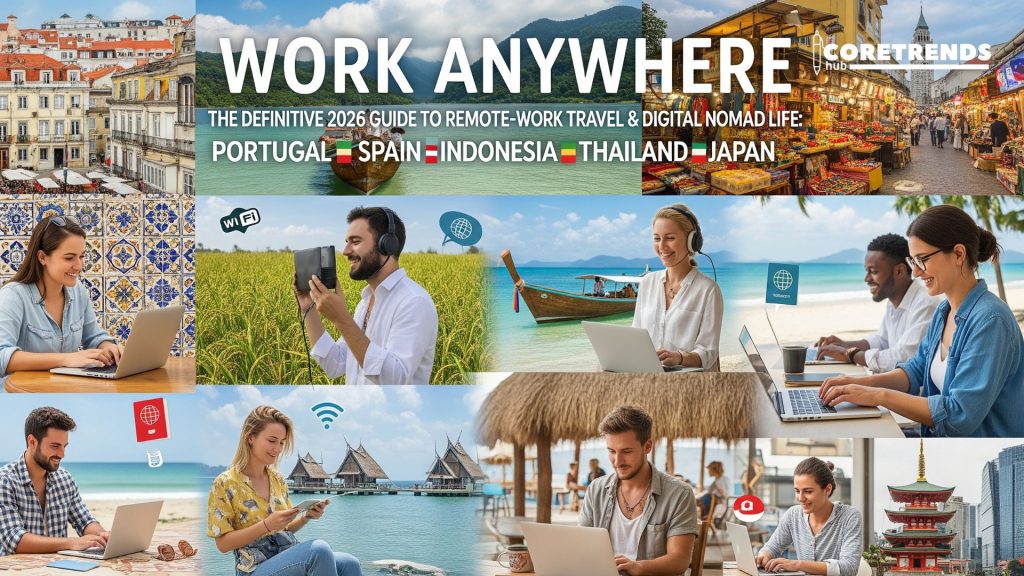
The Remote-Work Travel Will Peak in 2026
Work Anywhere or Remote-work travel isn’t just a trend anymore — it’s a global movement. As I sip coffee in a small co-working café in Lisbon, I can feel the shift in the air. Every table is filled with someone designing a website, leading a Zoom workshop, editing videos, or writing proposals for clients thousands of miles away. And in 2026, this lifestyle is more accessible, more supported, and more structured than ever before.
The rise of digital nomad visas, affordable long-term stays, AI-powered planning tools, and borderless hiring policies have transformed the way you and I can work. This guide brings together everything you need to choose the right country, understand the new visa rules, protect your finances, stay productive, and build a life where your office can be a bamboo villa in Bali, a coworking loft in Tokyo, or a seaside apartment in Portugal.
Whether you’re dreaming of sunshine, affordability, adventure, or a fresh start, the world in 2026 offers more open doors than at any time in history. And this guide will help you step confidently through them.
Table of Contents
Countries Leading in the 2026 Digital Nomad Landscape
As more countries recognize the value remote workers bring — from long-term spending to cultural contribution — digital nomad programs have matured into streamlined, residency-friendly systems. In this section, I’ll walk you through the 12 most powerful destinations shaping the future of work-from-anywhere life in 2026. Each of these countries offers a mix of lifestyle, safety, visa clarity, strong internet, and long-stay potential, giving you the freedom to choose a base that matches your personality, budget, and professional ambitions.

Portugal: The Most Balanced Nomad Destination
Portugal remains a world-class choice thanks to its digital nomad visa (renewed until 2029), the D7 and D8 long-stay routes, low crime rates, and an inclusive community. Cities like Lisbon, Porto, and Madeira offer reliable fiber internet, creative coworking hubs, and a warmth that makes it easy for newcomers to settle in. Portugal is also known for transparent immigration rules and modern public services, making it ideal for your first transition into nomad life. You’ll also find excellent healthcare and a relaxed lifestyle that appeals to remote workers.

Spain: Lifestyle, Culture & Long-Term Stability
Spain’s digital nomad visa, strengthened through 2026 reforms, allows multi-year stays and smoother family sponsorship. For many remote workers, Spain hits the perfect balance: gorgeous weather, safe cities, amazing food, and a thriving social scene. Barcelona, Valencia, and Málaga have become coworking capitals with top-tier connectivity. If you want a blend of community, stability, and high quality of life, Spain makes remote work feel like a permanent vacation — but with strong professional grounding.
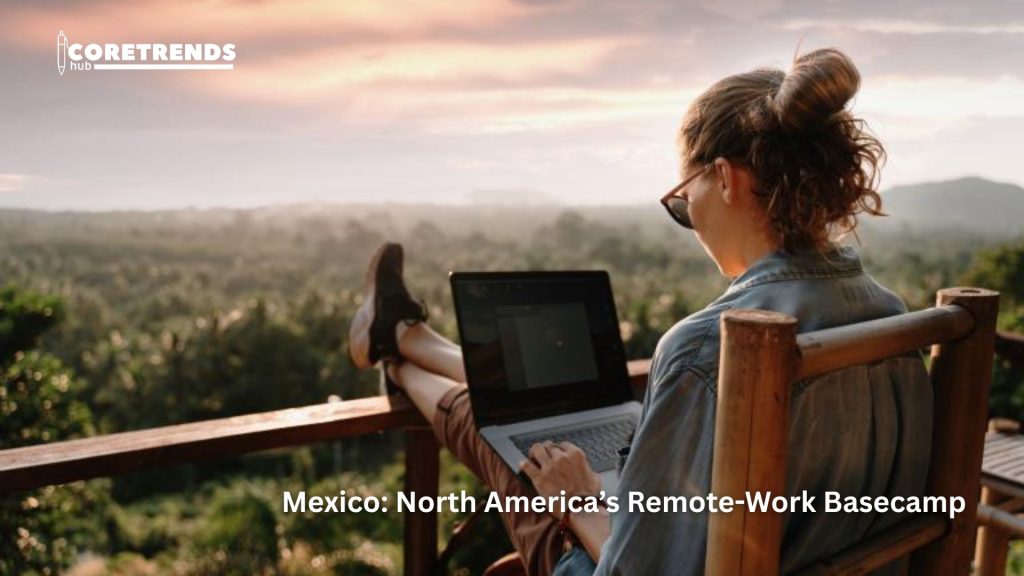
Mexico: North America’s Remote-Work Basecamp
Mexico offers affordability, culture, and flexibility — especially with its generous 6-month tourist stay and easy residency pathways. Mexico City, Guadalajara, Oaxaca, and Mérida are magnets for remote workers who want a vibrant, walkable, food-rich environment. Strong expat support communities make it simple to integrate, while fiber-internet growth has improved reliability. Mexico is also perfect if you want to stay close to the U.S. time zones while enjoying significantly lower living costs.
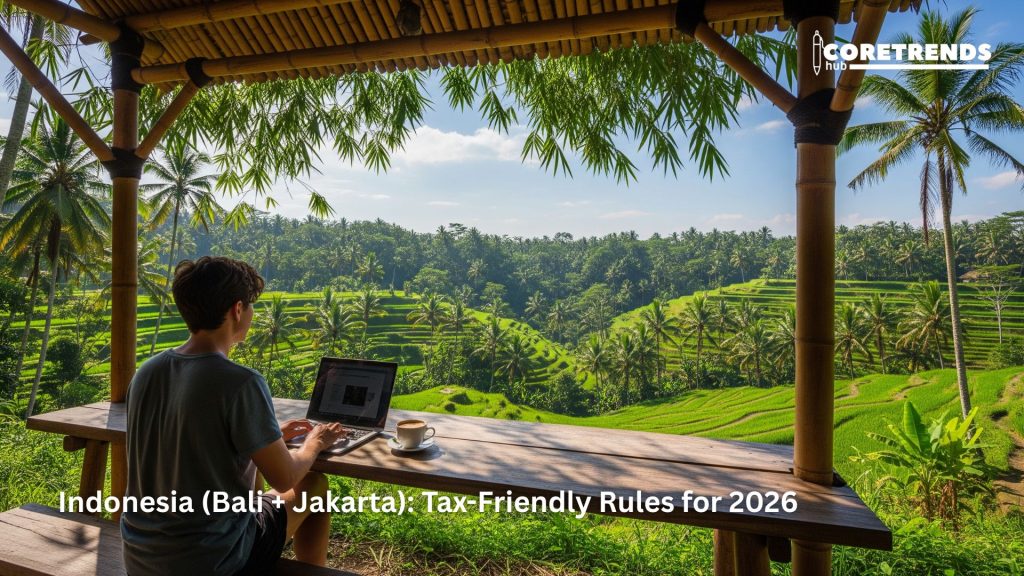
Indonesia (Bali + Jakarta): Tax-Friendly Rules for 2026
Indonesia’s 2026 tax reforms are a game changer, potentially offering remote workers tax-free income for extended stays. Bali continues to be the spiritual and wellness center of nomad life, but Jakarta is rising fast for tech professionals who want better connectivity and infrastructure. Expect strong coworking ecosystems, a creative expat network, and a cost-of-living advantage that makes long stays sustainable. Indonesia blends natural beauty with modern nomad comforts.

Japan: The Newest, Most In-Demand Nomad Visa
Japan’s digital nomad visa (launched 2025) has become the most competitive in Asia. Travelers love the efficiency: ultra-fast internet, spotless public transport, state-of-the-art coworking spaces, and a deeply safe environment. Cities like Tokyo, Osaka, and Fukuoka offer a futuristic balance of convenience and culture. Whether you’re a tech worker or creative professional, Japan offers career inspiration in every neon-lit corner. Time-zone overlap also benefits remote workers collaborating across Asia.
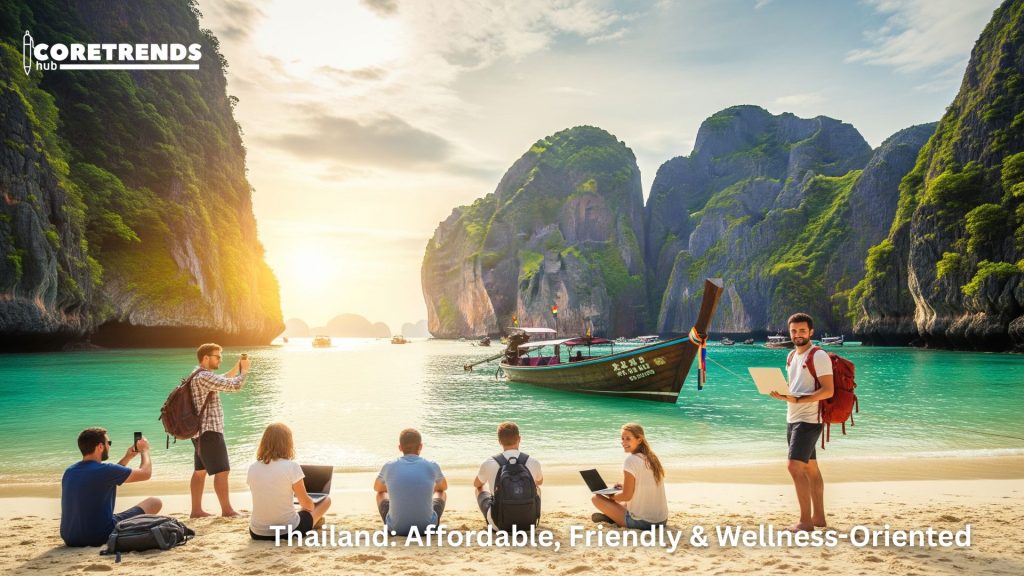
Thailand: Affordable, Friendly & Wellness-Oriented
Thailand remains a top global choice because it blends affordability with world-class hospitality. The 2025 digital nomad visa now allows year-long stays, making Thailand more attractive than ever. Chiang Mai is still the unofficial “capital” of digital nomads, while Bangkok, Phuket, and Koh Phangan offer wildly different vibes — from nightlife to beaches to meditation retreats. Thailand’s warm climate, friendly culture, and easy living make it one of the world’s most magnetic nomad bases.
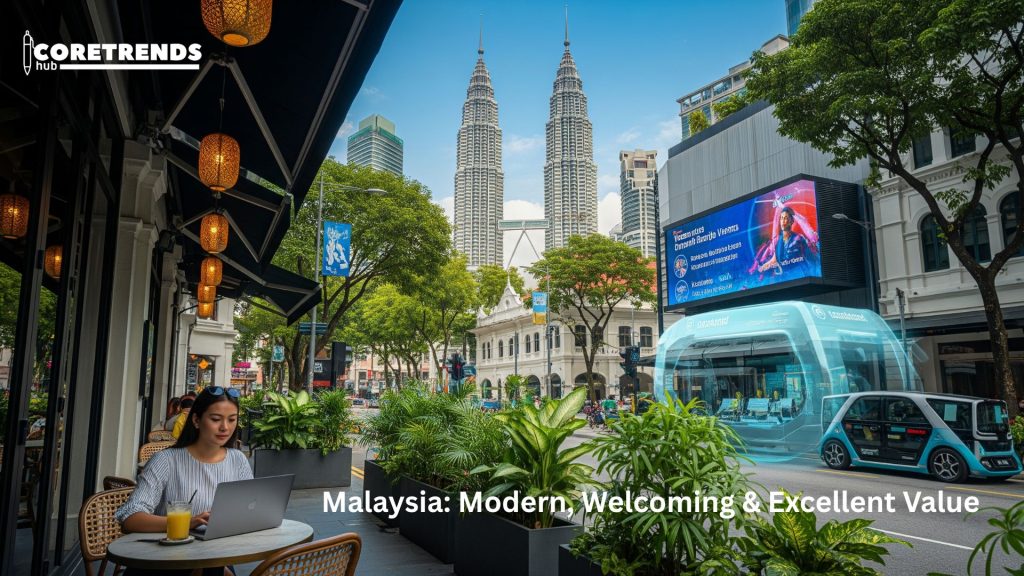
Malaysia: Modern, Welcoming & Excellent Value
Malaysia offers a mix of developed infrastructure and low living costs. Kuala Lumpur is packed with coworking spaces, Penang appeals to food lovers and creatives, and the country’s updated long-stay options (including MM2H lite programs) make Malaysia ideal for nomads planning to stay 6–12 months. Malaysia’s advantage is stability — reliable transport, excellent internet, and modern services, all paired with a multicultural society where English is widely spoken.
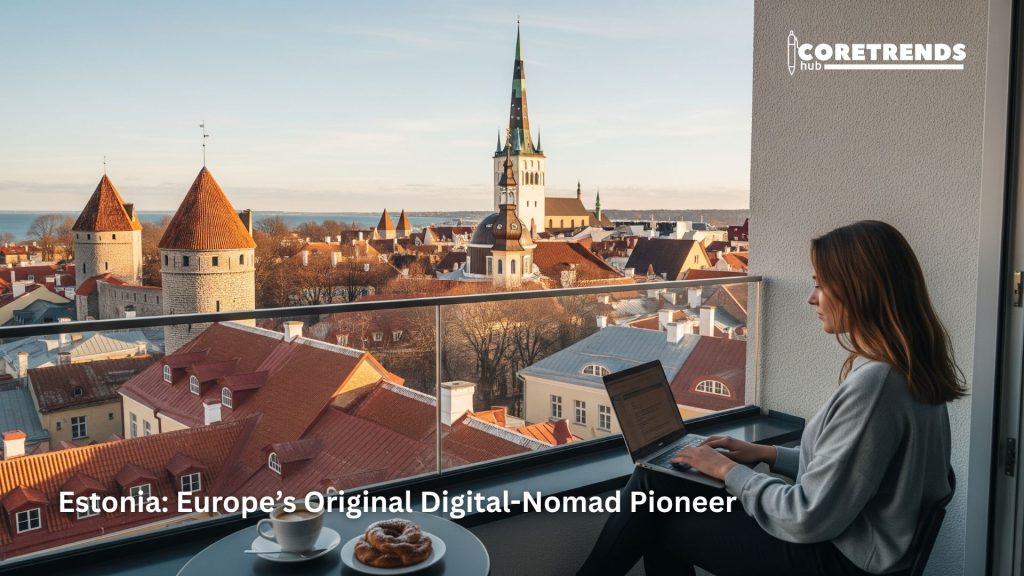
Estonia: Europe’s Original Digital-Nomad Pioneer
Estonia remains one of the most forward-thinking nations for remote workers thanks to its elegant digital-nomad visa system and world-famous e-Residency program. Tallinn and Tartu attract freelancers who want a structured, tech-driven environment. Estonia is clean, safe, and efficient — and since English is widely spoken, communication flows smoothly. If you appreciate strong public services, light bureaucracy, and minimal red tape, Estonia gives you a predictable, well-organized foundation for long-term work abroad.
Georgia: 365-Day Stay + Low Cost of Living
Georgia is one of the easiest countries to enter and stay in — many nationalities receive a 365-day visa-free entry. Tbilisi and Batumi have become nomad hotspots due to their coworking spaces, super-affordable cafes, and mountains-meet-city vibe. Costs are among the lowest in Europe, yet the lifestyle feels creative and vibrant. Georgia is perfect for budget-conscious remote workers who still want strong Wi-Fi, easy friendship circles, and a simple visa landscape.
Albania: Europe’s Fastest Growing Nomad Hub
Albania has exploded in popularity because of its affordability, coastline, mountains, and safety. With new long-stay options and residency routes being streamlined into 2026, it’s becoming the “next Portugal” for many digital nomads. Tirana offers energy and nightlife, while Sarandë and Shkodër provide tranquil, scenic alternatives. Albania is also incredibly friendly — making it easy to build a social network with both locals and travelers.
UAE (Dubai, Abu Dhabi): The Premium Nomad Base
If you’re a higher-income remote worker looking for tax-free earnings, global connectivity, and luxury infrastructure, the UAE is unmatched. Dubai’s remote-work visa allows strong legal clarity for long stays. The ultra-fast internet, world-class medical facilities, and safety make it a haven for professionals with demanding jobs. Dubai also offers some of the best coworking and startup ecosystems in the world, creating a fast-paced yet inspiring environment for business-minded nomads.
South Korea: The Next High-Tech Nomad Magnet
South Korea is expected to finalize its remote-worker visa in 2026, adding fuel to its rising popularity. With gigabit internet speeds, modern cafes, safe cities, and stylish workspaces, Seoul and Busan are becoming hotspots for tech developers, designers, and creators. Korea also blends tradition and innovation beautifully. From temple stays to futuristic districts like Gangnam and Songdo, it offers an environment where work and culture thrive side by side.
Visas, Requirements & Legal Realities in 2026
Visa rules have finally become clearer worldwide, thanks to global demand for remote-work mobility. Across most countries, you’ll find an emerging standard: proof of income, health insurance, clean criminal record, and a remote job or business.
But 2026 adds new layers — automation in visa processing, digital identity verification, and stricter taxation thresholds for long-term stays. If you understand the basics, you’ll navigate the process more easily and avoid costly mistakes.
Common Income Requirements
Most digital nomad visas require you to show an income between $1,500 and $4,000 per month, depending on cost of living. Japan and UAE lean higher, while Georgia and Albania remain flexible. Countries increasingly verify income through bank APIs or secure uploads, so consistency is key. Your goal is to show stability — not extreme wealth.
Residency vs. Nomad Visas: Know the Difference
Residency gives you deeper rights — opening local bank accounts, signing long leases, even family inclusion — but also comes with taxes. Digital nomad visas, however, generally keep you “non-tax resident” as long as your income is earned abroad. This distinction matters because residency can trigger local tax obligations if you’re not prepared.
Family & Dependent Rules
Many 2026 visas (Spain, Portugal, UAE) allow remote workers to bring their spouse or children if your income meets higher thresholds. Requirements include marriage certificates, birth certificates, and proof of housing. Always check if your chosen country requires documents to be apostilled — a detail many applicants overlook.
Common Mistakes That Cause Delays
Missing insurance, inconsistent bank statements, unverified remote contracts, and lack of apostilled documents are the top reasons visas get rejected. Another common error is misunderstanding the tax rules — assuming you won’t owe taxes when you actually might. When in doubt, it’s smart to confirm rules with official sources like government immigration websites or reputable global-mobility advisors.
Choosing Your Ideal Base: Cost, Safety & Connectivity
In 2026, remote workers are prioritizing cities with stable infrastructure, a supportive community, low crime rates, and sensible costs. While lifestyle plays a huge role, practical considerations like healthcare access and internet reliability determine whether a place is truly sustainable for remote work.
Below are the most important factors you should weigh before choosing your base.
Best Countries for Affordability
Mexico, Georgia, Albania, and Thailand offer comfortable living on a moderate budget. Rent can be as low as $350–$600 per month, coworking spaces are cheap, and food costs remain moderate. These destinations are ideal for freelancers, new digital nomads, or those building savings while traveling.
Best for Fast Internet & Modern Infrastructure
Japan, South Korea, UAE, and Estonia lead the world in connectivity. If you work in tech, AI, finance, or in a field that demands constant video calls, these are your safest choices. Internet is fast, stable, and available everywhere — even in cafés and public spaces.
Best for Healthcare & Personal Safety
Spain, Portugal, Japan, and UAE consistently rank among the safest destinations with world-class medical systems. If you’re a solo traveler or long-term expat, these countries offer peace of mind with reliable emergency services and well-regulated healthcare.
Best for Long-Term Living & Residency Goals
Portugal, Spain, and Malaysia provide clear pathways to residency, making them ideal for remote workers planning 1–5 year stays. Strong legal frameworks protect tenant rights and establish predictable long-term options, ensuring stability for those who want a “home base abroad.”
Community, Housing & Coworking Ecosystems
Choosing a country is only the first step — the real magic of remote-work life comes from the people you meet and the spaces you inhabit every day. In 2026, remote workers prioritize destinations with strong coworking ecosystems, co-living options, and welcoming expat communities. These factors can make or break your experience, especially if you’re traveling solo or planning long-term stays. Let’s explore how to find the right social and professional support systems abroad.
Co-Living Spaces & Membership Communities
Co-living hubs are booming worldwide, offering furnished rooms, shared kitchens, social events, and built-in friendships. Places like Outsite (Portugal), Selina (Mexico and Bali), and HOMA (Thailand) host creatives, tech workers, and entrepreneurs. These communities give you structure, accountability, and a sense of belonging. They’re ideal if you’re moving to a new country for the first time and want immediate support.
Choosing Safe, Convenient Neighborhoods
The key to a good long-term stay is location. Look for neighborhoods close to coworking spaces, public transport, supermarkets, and gyms. In Lisbon, consider Alcântara or Campo de Ourique. In CDMX, Condesa and Roma Norte are popular for safety and walkability. In Bali, Canggu and Ubud offer nomad-focused infrastructure. Spend some time researching local expat groups — they often recommend areas with the best combination of safety and comfort.
Expected Rental Costs in 2026
Rental prices vary significantly by region. Europe and East Asia trend higher, while Southeast Asia and Eastern Europe remain budget-friendly. In Portugal or Spain, expect $900–$1500 for a central apartment; in Thailand or Albania, $400–$700 is typical. Many digital nomads negotiate discounts for stays longer than 30 days, especially during shoulder seasons. It’s worth messaging hosts directly on platforms like Airbnb or Booking.com to discuss extended-stay deals.
Building a Productive Remote-Work Lifestyle Abroad
Productivity is a skill you carry with you. When you’re balancing time zones, new cultures, and constant movement, you need routines that ground you — and tools that support your workflow. In 2026, AI-powered scheduling apps, translation tools, and cloud workspaces streamline the process, making remote work smoother than ever. But good habits matter just as much.
Routines That Prevent Burnout
Create a daily rhythm: morning mobility or meditation, fixed work blocks, scheduled breaks, and a shutdown routine. These habits anchor you even when the surrounding world feels new and chaotic. Consistency protects your energy and focus, especially as you shift between climates, cultures, and time zones.
Working Across Global Time Zones
Time-zone management is a skill. I recommend overlapping at least 2–3 hours with your team’s schedule. Use apps like WorldTimeBuddy or Google Calendar’s multi-time-zone feature to stay aligned. For U.S.-based workers living in Asia, early mornings or late evenings are common — so choose housing in quiet areas with predictable noise levels.
AI Tools for Planning & Translation
AI planners like Notion AI, Motion, and TripIt automate scheduling, optimize workflows, and even generate travel plans around deadlines. Language tools like Google Translate or DeepL make navigating non-English-speaking countries easier. The goal is to reduce cognitive load so you can focus on your work and experiences.
Money, Taxes & Insurance for Nomads in 2026
Money management abroad requires clarity. While remote workers gain freedom, they also face complexity around taxes, payments, and global banking. Understanding these systems will save you thousands of dollars over time — and prevent legal headaches. Let’s break down the essentials you should master before traveling long-term.
Banking, Multi-Currency Cards & Payment Apps
Services like Wise, Revolut, Monzo, and N26 allow you to hold multiple currencies, avoid international transaction fees, and pay locals easily. These tools reduce the friction of living abroad. Carry at least two debit cards in case one is lost or blocked. Always check ATM fees country by country — some cities are more expensive for cash withdrawals.
International Insurance Plans You Can Rely On
World Nomads, SafetyWing, and IMG Global offer international medical coverage for remote workers. Choose plans that include emergency evacuation, hospital care, and repatriation. If staying long-term in Portugal, Spain, or Japan, local health insurance might be cheaper and more comprehensive.
Common Tax Myths You Should Ignore
One myth is “If I leave the country, I don’t have to pay taxes.” That’s incorrect. Your tax obligations depend on your citizenship, residency days, and where your income is generated. Many digital nomad visas allow tax exemption only if you’re working for foreign companies. When in doubt, check your government’s official tax guidance or consult a global mobility specialist.
Safety, Scams & Red Flags to Watch in 2026
Safety should never be an afterthought. Even in low-crime countries, scams targeting travelers and remote workers are growing more sophisticated. Knowing what to watch out for will help you avoid costly mistakes and protect your personal data. This section prepares you for common risks you may face as a remote worker abroad.
Rental Scams & Fraudulent Listings
Always verify listings through reputable platforms. Avoid sending deposits through wire transfers unless the landlord is verified. Search property addresses in Google Maps, ask for live video tours, and read reviews carefully. In cities like Barcelona or Bali, fake listings remain a common trap for newcomers.
Unsafe Coworking Norms
Not all coworking spaces are created equal. Some lack privacy, proper Wi-Fi security, or quiet zones. Prioritize spaces with good reviews, ergonomic seating, and strong security protocols. If you handle sensitive data, avoid shared open networks.
Digital Security Basics for Nomads
Use a VPN, rely on two-factor authentication, and never store passwords in browsers. Public Wi-Fi increases risk, especially in airports and cafés. Your laptop and phone are your livelihood — keeping them secure is non-negotiable.
Designing Your First (or Next) Remote-Work Year Plan
If you’ve ever felt overwhelmed by the idea of living and working abroad, you’re not alone. The secret is planning a “nomad year” that matches your goals — whether you’re chasing adventure, stability, or personal growth. In 2026, smart scheduling, flexible visas, and powerful travel tools make it easier than ever to design a year that feels structured but still spontaneous. This section helps you build a plan that aligns with your lifestyle, energy levels, and career goals.
Sample Itinerary 1: Budget Nomad (Mexico → Thailand → Albania)
Start the year in Mexico City to enjoy low costs and strong community, then fly to Chiang Mai for cheap living and great coworking culture. Finish in Albania, where accommodation is extremely affordable in summer and fall. This route minimizes expenses, maximizes sunshine, and gives you access to some of the world’s most supportive digital nomad hubs.
Sample Itinerary 2: Mid-Range Nomad (Portugal → Malaysia → Georgia)
Begin in Lisbon, where European connectivity and coworking spaces will help you establish a routine. Next, move to Kuala Lumpur for stronger affordability and multicultural comfort. Wrap up the year in Tbilisi, where café culture and low costs help you balance work with creativity. This path balances culture, convenience, and cost.
Sample Itinerary 3: Premium Nomad (UAE → Japan → Spain)
Start in Dubai for networking and professional development, then transition to Tokyo for high-tech inspiration, and finally settle into Barcelona for lifestyle and work-life balance. This itinerary prioritizes comfort, top-tier infrastructure, and professional opportunities — ideal for remote executives or tech specialists.
Packing Essentials for the Modern Nomad
Packing well makes your travels smoother, safer, and stress-free. In 2026, remote workers rely on a blend of smart gear, lightweight essentials, and tech tools that extend productivity anywhere. You don’t need to pack your whole life — just the right life-support systems.
Productivity Tools & Tech Gear
Bring a laptop with strong battery life, noise-canceling headphones, external SSDs, and a universal travel adapter. Many nomads also carry lightweight portable monitors to double their workspace. A high-quality VPN subscription keeps your data safe, and cloud storage ensures your work stays accessible wherever you are.
Clothing & Lifestyle Essentials
Choose versatile, quick-dry clothing that mixes easily. A compact rain jacket, comfortable walking shoes, and layers are key. In tropical regions, breathable fabrics like linen help with humidity. For colder cities like Seoul or Tokyo in winter, pack insulation layers and a warm coat.
Health, Safety & Comfort Items
Always carry a basic first-aid kit, reusable water bottle, sunscreen, and a travel towel. In destinations with mosquitos — such as Bali, Thailand, or Mexico — insect repellent is essential. If you’re heading somewhere with unpredictable weather, pack a lightweight waterproof case for electronics.
Budgeting & Financial Planning for a Nomad Year
Financial planning sets you free. When you know your monthly costs and savings goals, you travel with confidence instead of fear. In 2026, remote workers enjoy more transparency around costs: accommodation, coworking, transport, and food are easier to estimate thanks to global mobility reports and community data.
Monthly Cost Breakdown Examples
- Budget destinations (Georgia, Albania, Thailand): $900–$1,400/month
- Mid-range destinations (Portugal, Spain, Malaysia): $1,600–$2,400/month
- Premium destinations (UAE, Japan, South Korea): $2,800–$4,500/month
You can mix and match destinations throughout the year to balance your finances.
Building an Emergency Fund
Remote workers should ideally save 2–3 months of living expenses in a separate account. This safety buffer helps cover flight changes, emergencies, and unexpected medical costs. Use multi-currency accounts like Wise or Revolut so your money is accessible as you move between countries.
Hidden Costs Nomads Often Forget
VPN subscriptions, coworking fees, sim cards, transport passes, visa renewals, ATM fees, and digital gadget replacements can add up. Track them monthly using budgeting apps like Mint, Notion, or You Need a Budget. Being realistic with your finances is one of the smartest ways to protect your lifestyle.
Conclusion — Your 2026 Remote-Work Life Starts Wherever You Choose
Choosing a life of remote-work travel is not just about changing your scenery — it’s about expanding your possibilities. As I write this from a sunny coworking terrace in Penang, I can tell you this lifestyle brings freedom, creativity, growth, and connection in ways you can’t imagine until you experience it. Whether you choose Portugal’s calm neighborhoods, Japan’s futuristic order, Mexico’s energy, or Thailand’s warmth, the world is open to you in 2026.
Your journey doesn’t have to be perfect, and it doesn’t have to be rushed. Start with one decision: choose your first destination. The rest unfolds naturally — through friendships, routines, discoveries, and moments you’ll carry forever. The world is ready for you. Now it’s your turn to step forward and claim it.