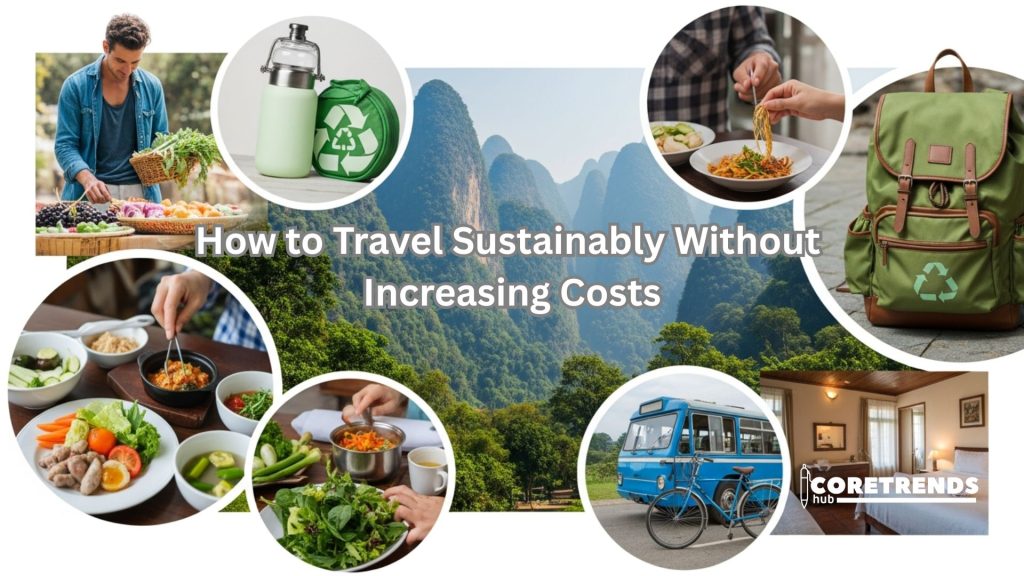
One of the biggest misconceptions regarding Travel Sustainably, I still hear in 2026 is that, travel is only for travelers with bigger budgets. In reality, some of the most responsible travel habits are also the most cost-effective. This guide on how to travel sustainably without increasing costs is built on real-world travel behavior — not idealistic theories. I’ve seen firsthand how slowing down, staying longer, and choosing local options often lowers expenses while improving the overall experience.
Sustainable travel doesn’t require luxury eco-resorts or expensive offsets. It’s about smarter planning, fewer unnecessary moves, and aligning your travel rhythm with local life. In this cluster article, I’ll show you how sustainability and affordability naturally overlap — from accommodation and transport choices to daily spending habits. This practical guide supports the broader framework explained in Sustainable & Responsible Travel: The 2026 Guide, turning values into actions you can actually maintain.
Why Sustainable Travel Often Costs Less Than Conventional Travel
When you break down travel expenses, sustainability often emerges as the more economical choice. I’ve noticed that high costs usually come from speed — frequent flights, short stays, and constant relocation. Sustainable travel encourages the opposite: fewer moves, longer stays, and deeper engagement with one place. These shifts reduce transport costs, lower accommodation rates, and minimize impulse spending.
Hotels often discount weekly or monthly stays, public transport is cheaper than taxis, and local food costs less than imported or tourist-oriented meals. Sustainability aligns naturally with efficiency. Instead of paying premiums for convenience, you trade speed for stability — and stability is where savings live. Traveling responsibly isn’t about deprivation; it’s about removing waste from your itinerary and your budget.
The Hidden Cost of Fast Travel
Short stays come with hidden expenses — luggage fees, airport transfers, peak pricing, and mental fatigue. Fast travel drains both money and energy, often without delivering better experiences.
Slow Travel: The Most Affordable Sustainable Strategy
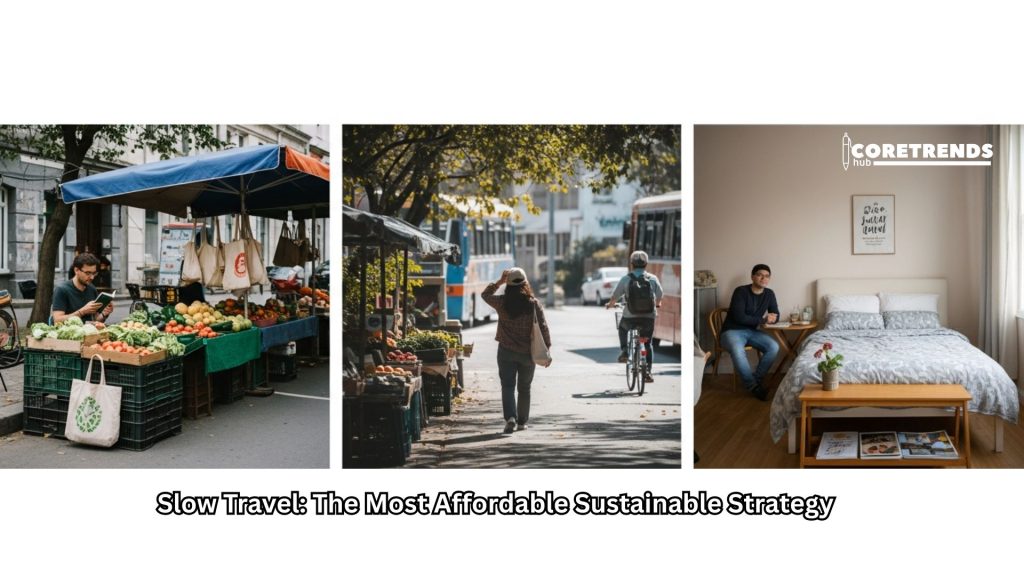
Slow travel is one of the most powerful tools for reducing both environmental impact and expenses. By staying longer in one place, I’ve consistently paid less per night, reduced transportation spending, and built routines that prevent impulse purchases. Monthly rentals, local markets, and neighborhood cafés are far cheaper than tourist hotspots.
Beyond finances, slow travel improves well-being. You stop chasing highlights and start living. Sustainability becomes effortless — less transport, less waste, more community engagement. In 2026, slow travel isn’t about moving less — it’s about experiencing more with fewer resources.
How Long-Stay Travel Unlocks Value
Weekly and monthly discounts, stable routines, and reduced movement lower costs naturally. Long stays also encourage responsible behavior without conscious effort.
Transportation Choices That Save Money and Emissions
Transportation is often the largest travel expense and the biggest environmental offender. I’ve learned that smarter transport planning can dramatically cut both. Choosing trains, buses, ferries, and shared transport reduces emissions while offering predictable pricing. In many regions, public transport passes cost less than a single taxi ride.
Even when flying is necessary, choosing direct routes and avoiding frequent hops reduces costs. In 2026, many travelers plan routes regionally rather than country-hopping — a strategy that lowers airfare, accommodation turnover, and carbon output simultaneously. Sustainability and savings often travel together.
Budget-Friendly Low-Impact Transport Habits
Walkable cities, regional rail, and local buses reduce daily costs while minimizing environmental strain. Transport efficiency benefits both traveler and destination.
Accommodation Choices That Align Cost and Responsibility
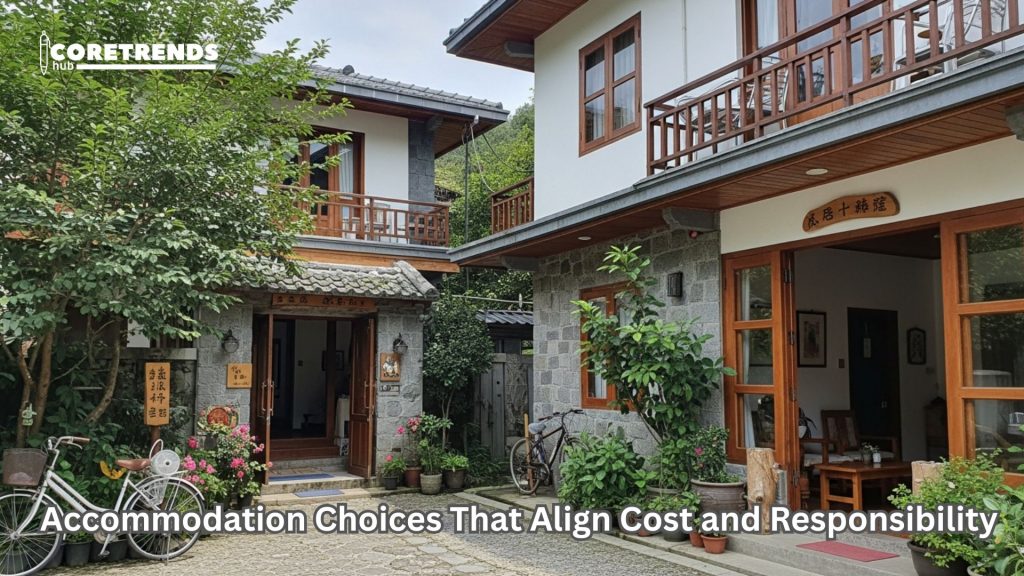
Luxury isn’t the enemy of sustainability — waste is. I’ve found that locally owned guesthouses, long-term rentals, and small hotels often provide better value and lower impact than large chains. These accommodations employ locals, source regionally, and reduce resource-intensive turnover.
Booking longer stays lowers nightly rates and utility consumption. It also integrates you into neighborhoods rather than isolating you in tourist zones. Sustainable accommodation choices don’t require sacrificing comfort — they require choosing places that align with local life rather than mass tourism models.
What Actually Makes Accommodation Sustainable
Local ownership, energy efficiency, waste management, and staff retention matter more than marketing labels or towel policies.
Eating Local: The Cheapest and Most Sustainable Choice
Food is one of the easiest areas where sustainability and savings align naturally. I’ve found that eating locally — not just cuisine, but sourcing — consistently reduces costs while lowering environmental impact. Local markets, neighborhood cafés, and family-run eateries rely on seasonal ingredients that don’t require long supply chains or excessive packaging. That efficiency shows up on your bill.
In 2026, food-focused tourism has matured. Travelers increasingly seek authentic meals rather than imported menus designed for tourists. When you eat where locals eat, you avoid inflated prices and experience culture more honestly. Sustainability here isn’t about restriction — it’s about alignment. Eating locally supports farmers, reduces transport emissions, and keeps money circulating within the community.
Why Markets Beat Restaurants for Daily Meals
Markets offer fresh produce, prepared foods, and flexible portions at lower prices. They reduce packaging waste and allow you to control consumption — a win for both budget and environment.
Avoiding the “Green Premium” Trap
One mistake I see travelers make is assuming that sustainable options must cost more. While some premium eco-experiences exist, sustainability itself does not require paying extra. The “green premium” often comes from marketing, not impact. I’ve learned to separate meaningful practices from expensive branding.
True sustainable travel focuses on systems — length of stay, transport efficiency, and daily habits — not luxury upgrades. A locally owned guesthouse with efficient energy use is often more sustainable than a branded eco-resort charging double. Responsible travel works best when it’s practical, repeatable, and financially realistic.
How to Spot Inflated Eco-Marketing
Be cautious of vague sustainability claims paired with high prices. Look for transparency, local ownership, and measurable actions instead of glossy language.
Daily Habits That Reduce Impact Without Extra Cost
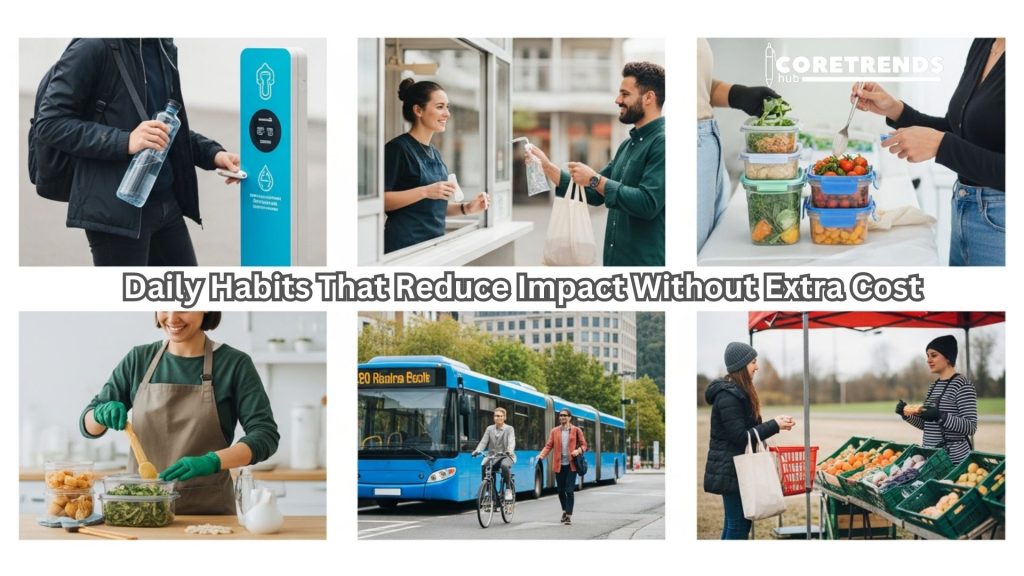
Sustainability lives in routine. I’ve found that small, consistent habits shape travel impact more than grand gestures. Carrying a refillable bottle, refusing single-use plastics, and minimizing food waste cost nothing — yet collectively reduce environmental strain significantly.
Choosing public transport over taxis, walking when possible, and shopping locally are simple habits that save money while lowering emissions. In 2026, many destinations support these behaviors through refill stations, efficient transport systems, and plastic-free initiatives. When sustainable habits become automatic, they stop feeling like effort and start feeling normal.
Why Consistency Beats Perfection
You don’t need to be flawless to travel responsibly. Consistent low-impact habits create more change than occasional extreme measures.
How Overplanning Increases Costs and Waste
Overplanning is one of the most overlooked contributors to unsustainable travel. When itineraries are too rigid, travelers often waste money on unused bookings, unnecessary transport, and rushed experiences. I’ve learned that flexibility reduces both cost and impact.
Sustainable travel thrives on adaptability. When you plan loosely — allowing time to extend stays or skip destinations — you avoid last-minute expenses and reduce unnecessary movement. In 2026, modular travel planning is both financially smarter and environmentally gentler. You travel with intention rather than obligation.
Planning for Flexibility
Book cancellable accommodations, avoid tight schedules, and build buffer days. Flexibility prevents waste and lowers stress.
Sustainable Budgeting: Planning Trips That Spend Less and Waste Less
Sustainable travel budgeting starts long before you book anything. I’ve learned that when budgets prioritize stability over speed, costs naturally drop. Instead of allocating money to constant movement, I shift spending toward accommodation quality, food, and local experiences. This approach reduces impulse expenses and encourages mindful consumption.
In 2026, sustainable budgeting means planning fewer transitions, choosing regions rather than countries, and aligning travel with off-peak seasons. These decisions lower prices while easing pressure on destinations. Budgeting responsibly isn’t restrictive — it creates room to enjoy experiences without financial anxiety. When your budget reflects sustainability, it becomes easier to maintain both your finances and your values throughout the journey.
Why Regional Planning Saves Money
Traveling within one region reduces long-distance transport costs, simplifies logistics, and lowers emissions. Regional focus also allows deeper exploration without constant repacking or rebooking.
Long-Term Travel: The Ultimate Cost-Control Strategy
Long-term travel naturally supports sustainability and affordability. I’ve seen how staying in one place for weeks or months reduces daily expenses, stabilizes routines, and minimizes waste. Monthly accommodation rates, local transport passes, and grocery shopping lower costs significantly compared to short stays.
Long-term travelers also develop better spending discipline. When travel feels like daily life rather than a vacation, expenses normalize. Sustainability becomes effortless — less transport, fewer purchases, and more thoughtful consumption. In 2026, long-term travel isn’t just for digital nomads; it’s a practical model for anyone seeking value-driven exploration.
When Long-Term Travel Makes Sense
If you value stability, productivity, and cultural immersion, long stays reduce both financial and environmental strain while enhancing experience quality.
Mistakes That Make Sustainable Travel More Expensive
Some well-intentioned choices can unintentionally increase costs. I’ve seen travelers pay premiums for branded “eco” experiences while ignoring simpler, cheaper alternatives with greater impact. Others overcompensate — buying offsets while continuing high-emission habits.
Another mistake is treating sustainability as an add-on rather than a framework. When sustainability is integrated into planning — destination choice, length of stay, transport mode — costs decrease. When it’s layered on afterward, expenses rise. Responsible travel works best when it simplifies decisions instead of complicating them.
How to Avoid These Pitfalls
Focus on systems, not symbols. Choose fewer destinations, stay longer, and support local economies rather than paying premiums for labels.
Conclusion
Traveling sustainably without increasing costs isn’t a compromise — it’s a smarter way to explore. I’ve found that when sustainability guides planning decisions, travel becomes calmer, more affordable, and far more rewarding. Slowing down, staying longer, eating locally, and reducing unnecessary movement lower expenses while protecting the places you visit.
In 2026, responsible travel doesn’t require perfection or luxury. It requires intention. When you align your budget with sustainable habits, travel becomes sustainable by default — financially, environmentally, and emotionally. This approach doesn’t limit freedom; it preserves it. And it ensures that the world remains open, welcoming, and worth exploring for years to come.
FAQ (Frequently Asked Questions)
Q1: Is sustainable travel always cheaper?
Not always, but many sustainable choices reduce costs when applied consistently.
Q2: Do I need to avoid flights entirely?
No. Reducing frequency and choosing efficient routes is more practical than total avoidance.
Q3: Are eco-accommodations more expensive?
Some are, but many local stays offer better value with lower impact.
Q4: Can short trips be sustainable?
Yes, when planned efficiently with minimal movement and responsible behavior.
Q5: What’s the easiest sustainable habit to start with?
Staying longer in one place — it lowers costs and impact immediately.